
When Learning Meets Real Life: How Students Tackle Food Waste
What does it look like when students take on a real-world problem—and own it?
In Cycle 3, our Blue Wrens explored food waste not as a topic, but as a challenge to solve.
Learning Beyond the Classroom
Through Cultural Studies, students investigated how food is consumed, wasted, and valued in everyday life. This wasn’t theoretical. They:
- analysed real examples of food waste
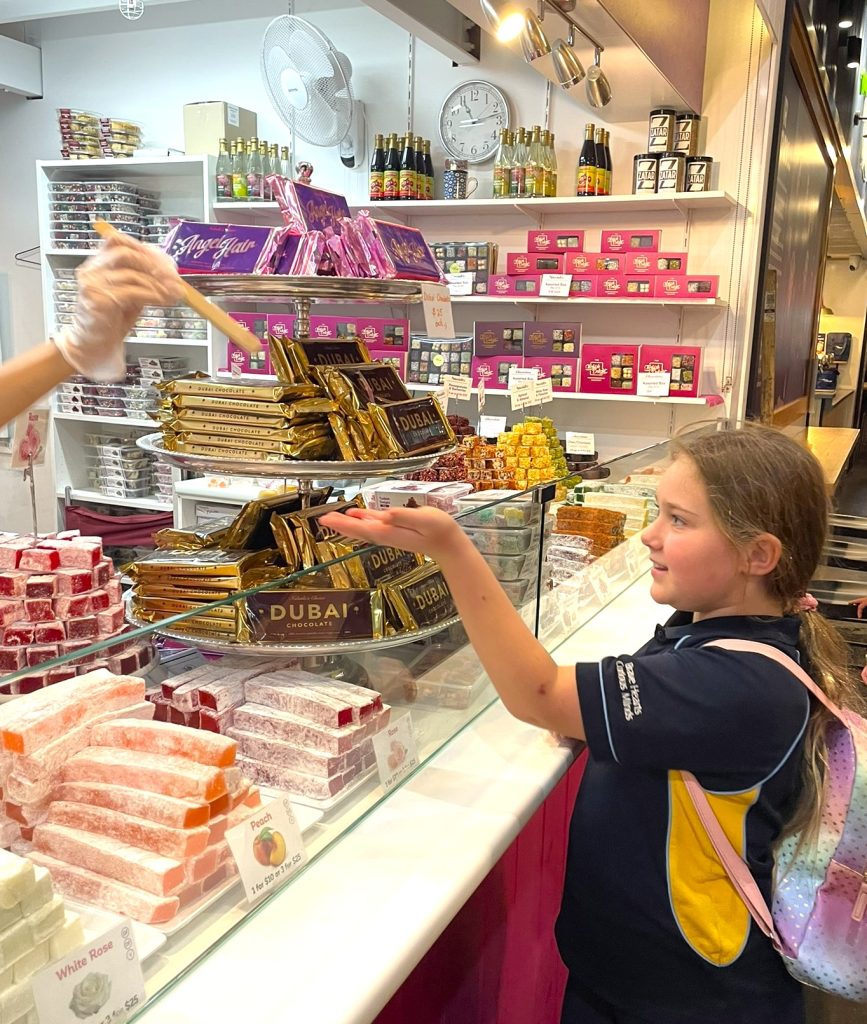
- visited the Central Market to observe consumption patterns
examined the environmental and social impact of excess
From Awareness to Action
Rather than stopping at understanding, students moved into action.
Working in small groups, they:
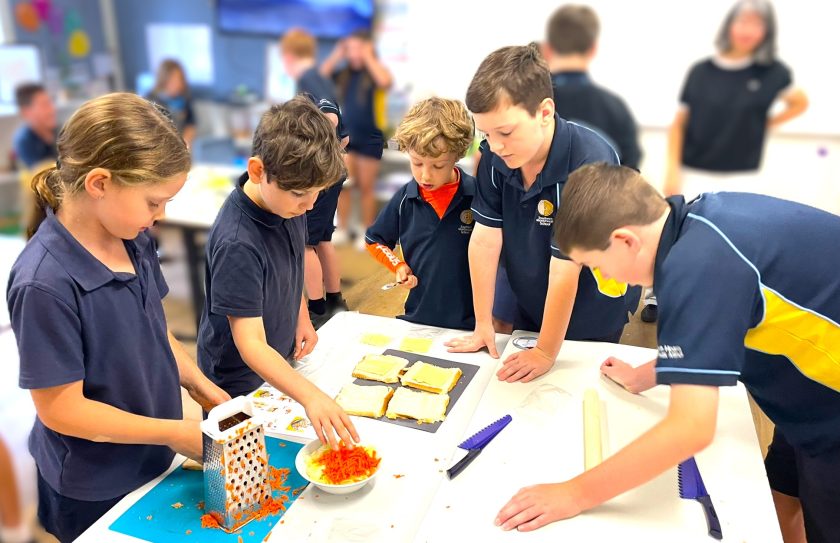
- designed original recipes using ingredients that might otherwise be discarded
- experimented with cooking techniques
- documented their process through video
This is where learning became tangible—where ideas turned into outcomes.
Communicating Ideas with Purpose
In Literacy, students created persuasive posters to influence others to reduce food waste.
They weren’t just completing tasks—they were:
- shaping arguments
- considering audience
- using communication to drive change
Making Meaning Through Numbers
In Mathematics, students analysed real data collected during Clean Up Australia Day. They explored:
- waste categories
- data patterns
- connections between consumption and environmental impact
Concepts such as fractions, mass, and decimals became tools—not abstract exercises.
What Students Really Learned
Beyond subject areas, students developed:
- collaboration and teamwork
- problem-solving in real contexts
- environmental awareness
- confidence in applying their ideas
Why This Matters
At Southern Montessori School, learning is not separated into subjects and worksheets. It is connected, purposeful, and grounded in the real world.
Because when students see that their work has meaning— they engage more deeply, think more critically, and learn more effectively.


